

Written by our Performance Nutritionist, Happetite_
Rest-day fuelling has become something of a taboo for many athletes. Between the noise about cutting carbs, ditching fats, and obsessing over protein, it's easy to get it wrong.
Here's what actually matters: how you eat on a rest day directly impacts your next training session, your strength, and your endurance. Rest isn't the enemy of performance. It's part of it.
So if you already know how to fuel on training and race days, here are 5 tips to make sure your rest days are working just as hard as you are.
1. Don't Slash Your Calories
You might think a rest day means cutting back, but restricting your intake triggers a domino effect that hurts your next session before it even starts.
Instead, listen to your body. Athletes are generally good at this. Eat when you're hungry, stop when you're full, and slow down at mealtimes to help with both. Focus on food quality over quantity, and find a routine that works for you.
2. Hydrate Like It's Race Day
Hydration matters just as much on rest days as it does during training. In fact, a rest day is a brilliant opportunity to pre-hydrate.
You don't need to down 5 litres. Just keep a bottle close by and check your urine colour as a guide.
One underrated tip: chocolate milk. It's high in carbohydrates, packed with protein, and its water content helps restore hydration and electrolyte balance. You also get calcium, magnesium, and vitamins A and D for bone health. Genuinely one of the best recovery drinks going. (1, 2)
3. Keep the Carbs and Protein
Carbohydrates are your body's preferred energy source. When you're training at high intensity, those stores need regular replenishing. A rest day doesn't change that.
Complex carbs like wholegrain pasta, rice, and porridge oats on a rest day build the energy stores your body needs for the sessions ahead, and help restore depleted glycogen. (3)
Protein is equally important. Recovery is literally when muscle repair happens. Lean sources like chicken, beans, or a high-quality supplement help support your muscles even when you're not moving.
4. Go Beyond 5-a-Day
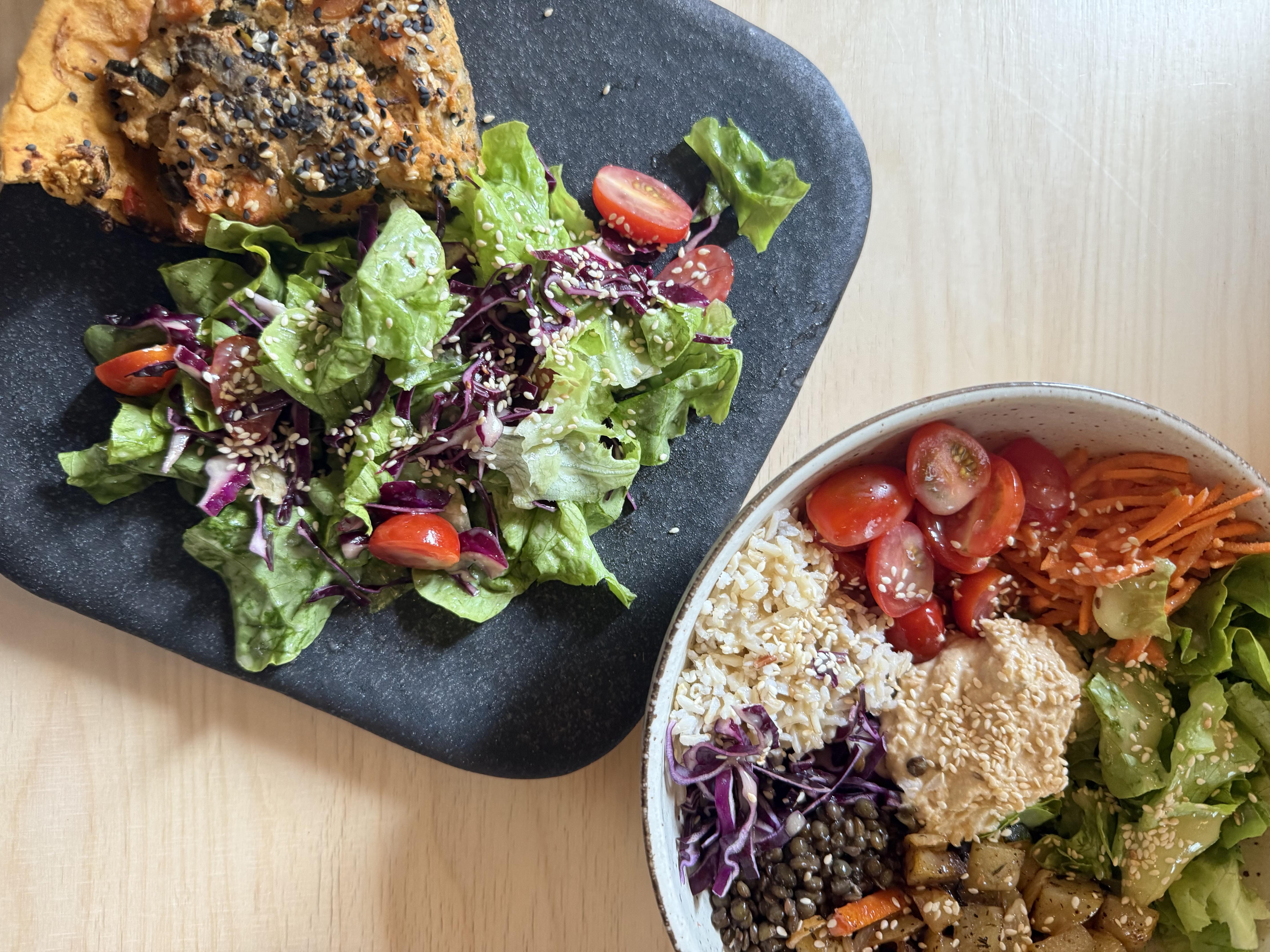
Whether the target is 5 or 10 portions, fruit and vegetables are essential for recovery, immunity, and performance. Training hard puts real physiological stress on the body, and micronutrients are a key line of defence.
Since energy output is lower on rest days, micronutrient-dense foods are a smart choice. They support recovery without the higher calorie load, and they also boost your carbohydrate intake, fibre, and hydration in one go. That's a win-win-win.
5. Find What Works for You
Everyone approaches rest days differently. What works for you won't necessarily work for a teammate, and that's completely fine.
What isn't optional is understanding why rest day fuelling matters. It sets you up for your next session, protects and repairs your muscles, and reduces your risk of injury.
You might be the fastest kid on the track. But if you don't rest and recover properly, that won't last.
The Bottom Line
Rest days aren't a break from performance. They're part of it. Fuel them properly, and your next training session will thank you.
If you would like to collaborate, get in touch with Happetite_ on socials or at info@theathleteplace.com.
References
(1) Amiri, M. et al. (2019). Chocolate Milk for Recovery from Exercise: A Systematic Review and Meta-Analysis of Controlled Clinical Trials. European Journal of Clinical Nutrition, 73, 835–849.
(2) Scott et al. (2019). Chocolate Milk versus Carbohydrate Supplements in Adolescent Athletes: A Field-Based Study. Journal of the International Society of Sports Nutrition, 16(1), 8.
(3) Hearris, M.A. et al. (2018). Regulation of Muscle Glycogen Metabolism during Exercise: Implications for Endurance Performance and Training Adaptations. Nutrients, 10(3), 298.
Also worth reading:
5 Ways to Improve Your Teenager's Sports Performance
Sports Nutrition Basics for Parents of Teenage Athletes
If you're a young athlete or a sports parent looking for content that actually helps, The Athlete Place was built for you.










Comments