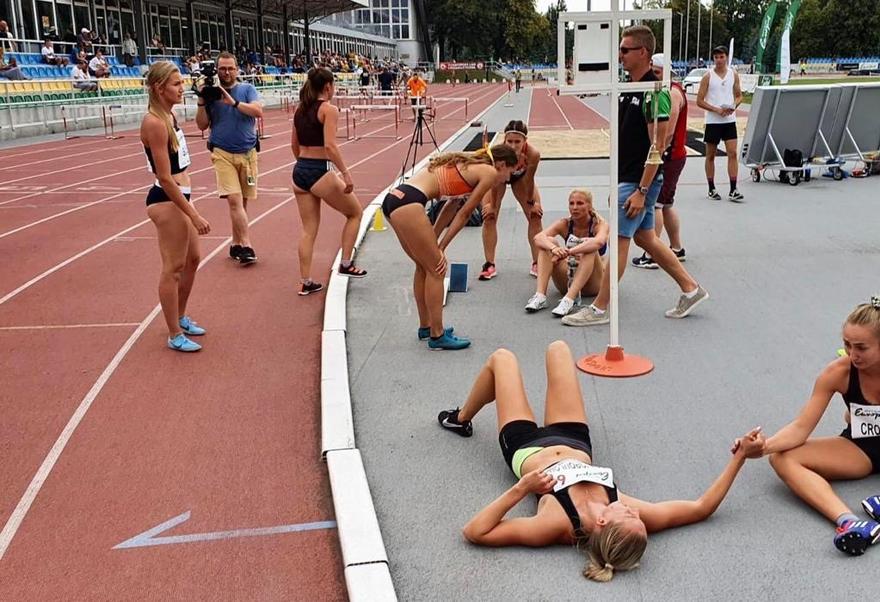
Multi-event athletes, like our guest contributor, heptathlete Ashleigh Spiliopoulou, face some of the most demanding training schedules in sport.
With seven events in the heptathlon and ten in the decathlon, multi-eventers often develop some of the most effective strategies for managing long training days and multi-session training. In this blog, Ashleigh shares some of her practical training tips.
Multi-Event Training Demands
Ah, December. It's cold, it's dark, and training is getting harder. Whatever sport you do, December tends to represent the middle of winter training and probably a lot of time spent at the training ground. With 7 events to fit in, heptathletes have learned a thing or two about long training days. With that in mind, here are some top multi-eventer tips for surviving those double (or triple!) session days.
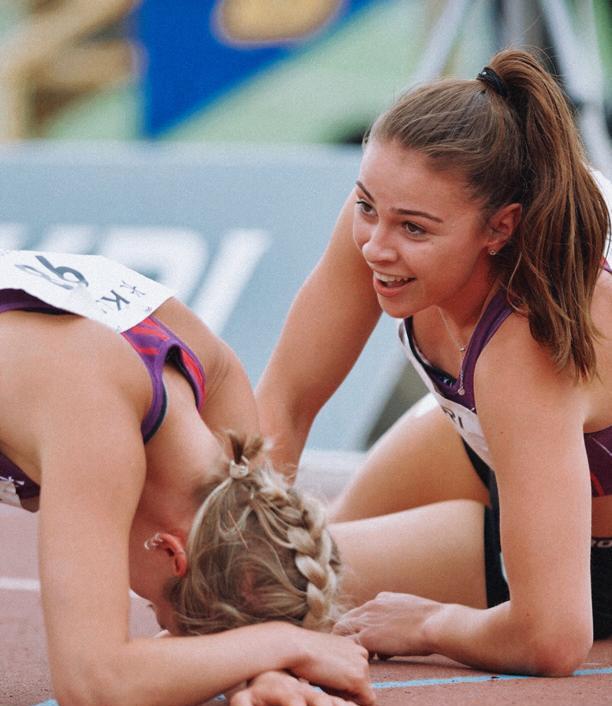
Photo by jhmimages
Plan Ahead
Picture this. You're three hours into a really tough session, it's been raining, and now you've got to go to the gym. You've forgotten your lifting shoes, your socks are soaked from running on wet grass, and you haven't brought any snacks. From experience, this is not a fun situation, especially in the winter, when training is hard enough without being stressed, cold or hungry. Over time, situations like this can really take their toll on your ability to train effectively.
Athlete Insight: Multi-Session Training Prep
"Prepping for the day is so important; sometimes we have 3-4 sessions a day, so you need to have enough snacks, clothes as well as the right shoes. From experience, trying to sprint in high jump spikes isn’t fun..."
Natasha Smith, England Heptathlete
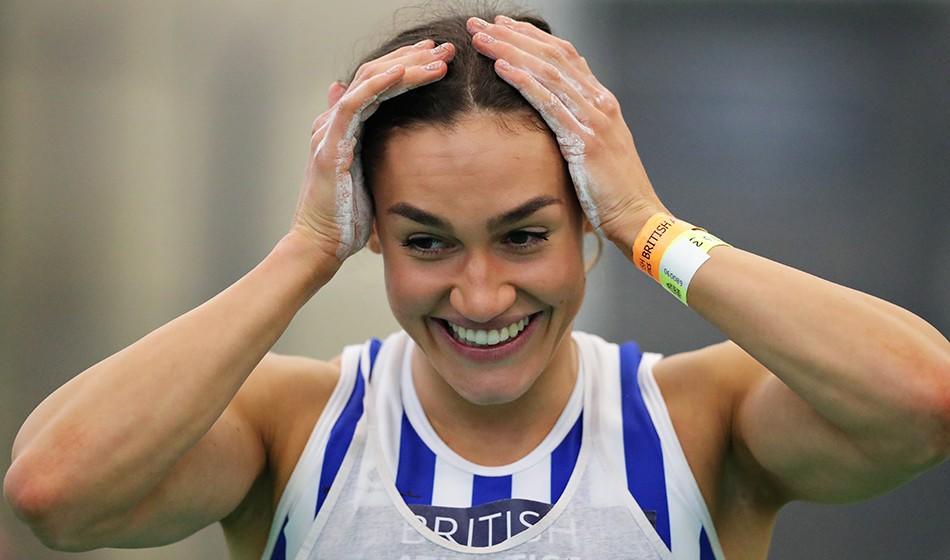
Photo by Alex Livesey
Fuelling for Multi-Event Training
Depleted energy can affect the intensity you bring to the session, and over time, this can add up to significant lost opportunities for improvement.
Check and double-check your training plan so that you know exactly what you'll need for each session. Work out whether you'll have time to come home to eat between sessions or if you need to take a meal with you to the track. Pack lots of high-energy snacks (bananas, cereal bars, dried fruit, malt loaf, etc.) as it is better to have more than less. Keep spare socks and shorts in your kit bag so that you're ready for all weather scenarios.
Athlete Insight: Multi-Event Fuelling
"Preparation for training is as important as the session, the main thing is fuelling and refuelling, making sure you’re getting in enough food to train hard. Ensuring you are replenishing those systems for the next day or next session"
Zak Skinner, Great Britain Long Jumper
Train Smart
Get up. Grind. Never sleep. That's what YouTube military motivational videos will tell you. But there's nothing impressive about a mentally drained, sleep-deprived and demotivated athlete.
Training smart is especially important for multi-event athletes, who need to manage energy across several disciplines. This becomes even more important when balancing multiple disciplines within a single training week.
Different sessions will require different degrees of mental and physical intensity. You only have a limited amount of energy available, so you'll need to allocate your effort.
Talk to your coach about the aims of the session - don't go eyeballs-out in an easy tempo session, because that will only fatigue you for other, higher-intensity sessions later in the week. In the same vein, make sure you know when you need to bring your A Game.
Athlete Insight: Getting the Most Out of Each Session
"I set goals for every session I do, and I try to stick to them. Therefore, I give purpose to what I do, even if it’s a long session, I stay focused, and time goes quickly!
Marie Wattel, Olympic Swimmer & World Medalist

Communication
This point is very important for multi-eventers, who tend to have different coaches for different events, but it is also relevant for all athletes, who will often have multiple coaches/supporters within their training set-up. It's important to let each coach know what you have been doing elsewhere during the week to avoid overtraining or duplicating exercises, which could cause injury or simply wear you out more than necessary.
When coaches know what the rest of your week looks like, they can tailor their session to be complementary. This way, you can get the most out of your body without increasing your risk of injury.
Keep it Simple
When you have a lot of sessions to fit in on one day, you can leave the track feeling totally overwhelmed by all the technical information you've been given. Writing down 2-3 cues that resonated with you after each session can help simplify and consolidate what you learned, so you can pick up where you left off last time. It can also help you clear your head so you don't have a million thoughts running through your head by the time you get home after a long day.

Recovery
Training multiple times a day will take its toll on your body. It's important to put your body in the best position to handle the training you are going to throw at it. Moreover, the benefits of the hard work you are putting in only come when your body repairs, recovers and adapts. That's why recovery is as much a part of your training as the sessions themselves. Examples of good recovery strategies are:
Stretching / Yoga
Foam rolling
Having a regular sports massage
Taking an Epsom salt bath
Getting 8+ hours of sleep per night
Having a form of protein after a hard session
The importance of recovery also means it’s okay to take a day off. Many athletes fear the consequences of missing a session, but actually, you will gain more from fewer, high-quality sessions than from more, lower-quality sessions.
If you're feeling run down, drained or burned out, it’s essential to speak to your coach. There will be times when you need to train while fatigued, but they can advise you on when to push through and when to take a break.
Athlete Insight: Managing Multi-Event Recovery
"I have found by increasing my recovery like getting regular physio treatment and having more of a stretching routine has really helped my body be able to manage well for hard training."
Ellen Barber, Great Britain Heptathlete
So there you have it. 5 practical tips for managing long, multi-session training days.
If you want support managing training, recovery, and performance across multiple sessions, you can explore our athlete platform here.